Key Takeaways
- Psoriasis, known in Ayurveda as Kitibha Kushtha, is a chronic skin condition caused by
vitiation of Vata and Kapha doshas. - Ayurvedic treatment focuses on detoxification (Shodhana), pacifica on (Shamana), and
external therapies (Bahirparimarjana) to restore doshic balance and skin health. - Herbal medicines, medicated oils, dietary regulation, and Panchakarma therapies play a
central role in managing symptoms and improving quality of life.
What Is Psoriasis: Symptoms & Risk Factors
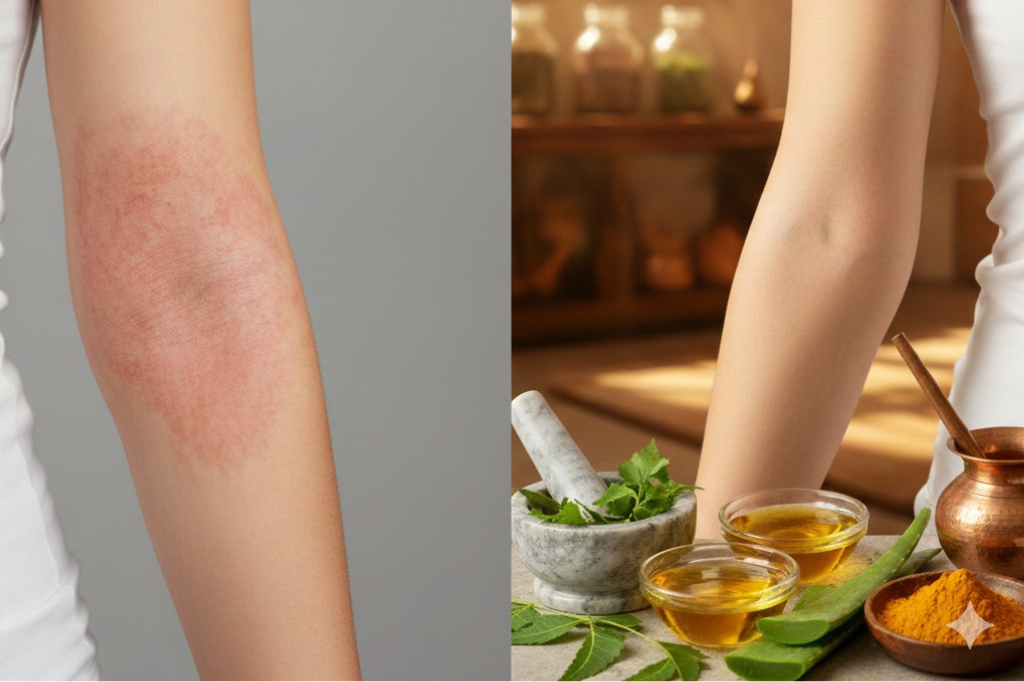
Psoriasis is an autoimmune skin disorder characterized by red, scaly patches, often
accompanied by itching, burning, and discomfort. It commonly affects the scalp, elbows, knees,
and trunk. The condition is chronic and may have periods of remission and flare-ups.
Common symptoms: - Red, raised, scaly patches
- Itching and burning sensa on
- Dry, cracked skin that may bleed
- Nail changes (pitting, discoloration)
- Joint pain in psoriatic arthritis
Risk factors: - Genetic predisposition
- Stress and emotional imbalance
- Infections (e.g., streptococcal throat infection)
- Skin trauma or injury
- Certain medications
- Lifestyle factors such as poor diet, alcohol, and smoking
Ayurvedic Perspective on Psoriasis
In Ayurveda, psoriasis is correlated with Kitibha Kushtha, a type of Kshudra Kushtha (minor skin
disease). It is caused by the vitiation of Vata and Kapha doshas, along with disturbances in Rakta
(blood), Mamsa (muscle), Lasika (lymph), and Twak (skin). Accumulation of Ama (toxins) and
impaired Agni (digestive fire) further aggravate the condition.
Ayurvedic management aims to: - Eliminate aggravated doshas through Shodhana Chikitsa (detoxification)
- Pacify residual doshas using Shamana Chikitsa (palliative therapy)
- Soothe and nourish the skin using Bahirparimarjana Chikitsa (external applications)
Herbal Medicines for Psoriasis Treatment
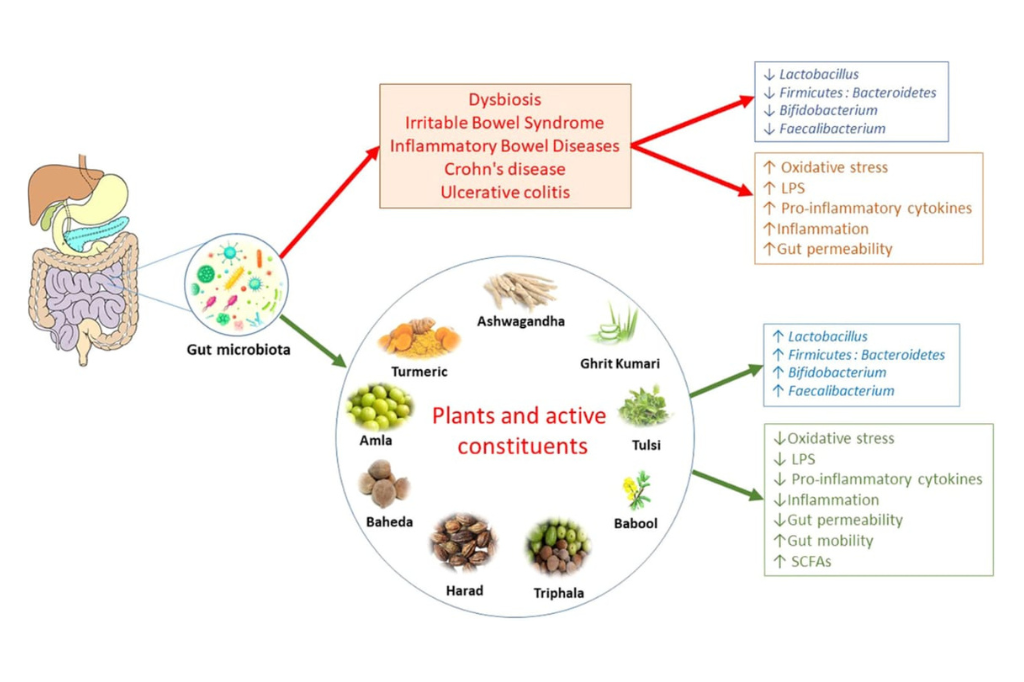
Commonly used Ayurvedic herbs and formulations include: - Neem (Azadirachta indica): An bacterial, blood-purifying, and an-inflammatory
- Turmeric (Curcuma longa): Reduces inflammation and itching
- Guduchi (Tinospora cordifolia): Immunomodulatory and detoxifying
- Arogyavardhini Vati : Supports liver function and purifies blood
- Gandhak Rasayan: Anmicrobial and skin rejuvenating
- Manibhadra Guda: Detoxifying and digestive support
External applications: - Ayyappalathi oil: Antipsoriatic, an-inflammatory, and moisturizing
- Atrisor cream and moisturizer: Soothes itching, reduces scaling, and restores skin texture
- 777 oil: Softens plaques and reduces inflammation
Panchakarma and Therapeutic Treatments
Ayurveda recommends Panchakarma therapies for deeper detoxification and dosha elimination: - Vamana (Therapeutic Emesis): Eliminates Kapha dosha and toxins
- Virechana (Therapeutic Purgation): Clears Pitta dosha and purifies blood
- Snehapana (Internal Oleation): Prepares body for detox and nourishes tissues
- Abhyanga (Oil Massage) and Swedana (Steam Therapy): Improves circulation and reduces
stiffness
These therapies are customized based on the patient’s constitution, disease severity, and doshic
imbalance.
Diet and Lifestyle Guidelines for Psoriasis
Diet and lifestyle are crucial in managing psoriasis and preventing flare-ups: - Avoid triggers: Spicy, oily, sour, fermented foods; alcohol; smoking
- Include: Light, warm, freshly cooked meals; moong dal, rice, steamed vegetables
- Hydration: Drink herbal teas, warm water, and coconut water
- Skin care: Use gentle herbal soaps, avoid harsh scrubbing, moisturize regularly
- Stress management: Practice yoga, meditation, and breathing exercises
Long-Term Care and Prevention
Psoriasis requires ongoing care and monitoring. Ayurvedic rejuvenation therapies (Rasayana)
help strengthen immunity and prevent recurrence: - Regular detoxification cycles
- Use of Rasayana herbs like Amalaki, Ashwagandha, and Shatavari
- Seasonal Panchakarma therapies
If you are seeking authentic Ayurvedic care for psoriasis in Dubai, Kottakkal Healthcare offers
personalized treatment plans based on classical Ayurvedic principles. Our experienced physicians
combine herbal medicine, Panchakarma therapies, and dietary guidance to help you manage
symptoms and improve your quality of life naturally.
Begin your journey toward holistic healing and long-term wellness with Kottakkal Healthcare,
Dubai.
FAQs
- Can psoriasis be cured with Ayurveda?
Ayurveda offers long-term management and
symptomatic relief. While complete cure may vary, consistent treatment can significantly reduce
flare-ups and improve skin health. - What herbs are most effective for psoriasis?
Neem, Turmeric, Guduchi, and Gandhak
Rasayan are commonly used for their an-inflammatory and blood-purifying properties. - How long does Ayurvedic treatment take to show results?
Ini al relief may be seen within
2–4 weeks. Long-term improvement requires consistent therapy and lifestyle changes. - Are Ayurvedic treatments safe for chronic psoriasis?
Yes, when administered under expert
supervision, Ayurvedic treatments are safe and effective for chronic cases. - How can I prevent psoriasis flare-ups naturally?
Follow a dosha-balancing diet, avoid known
triggers, maintain skin hygiene, and undergo seasonal detox therapies.
Contact Kottakkal Healthcare, Dubai for expert Ayurvedic care and personalized psoriasis
treatment plans.